38 articles
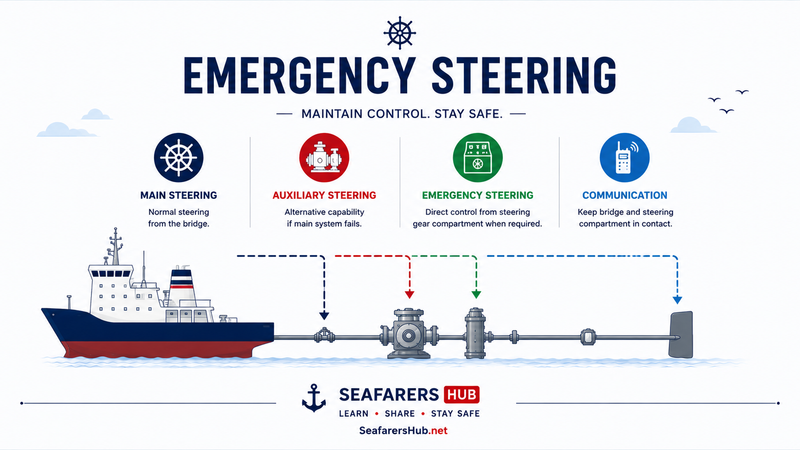
Learn how emergency steering works on ships, including main and auxiliary steering gear, local emergency control, bridge communication, SOLAS requirements, testing, and emergency steering drills.
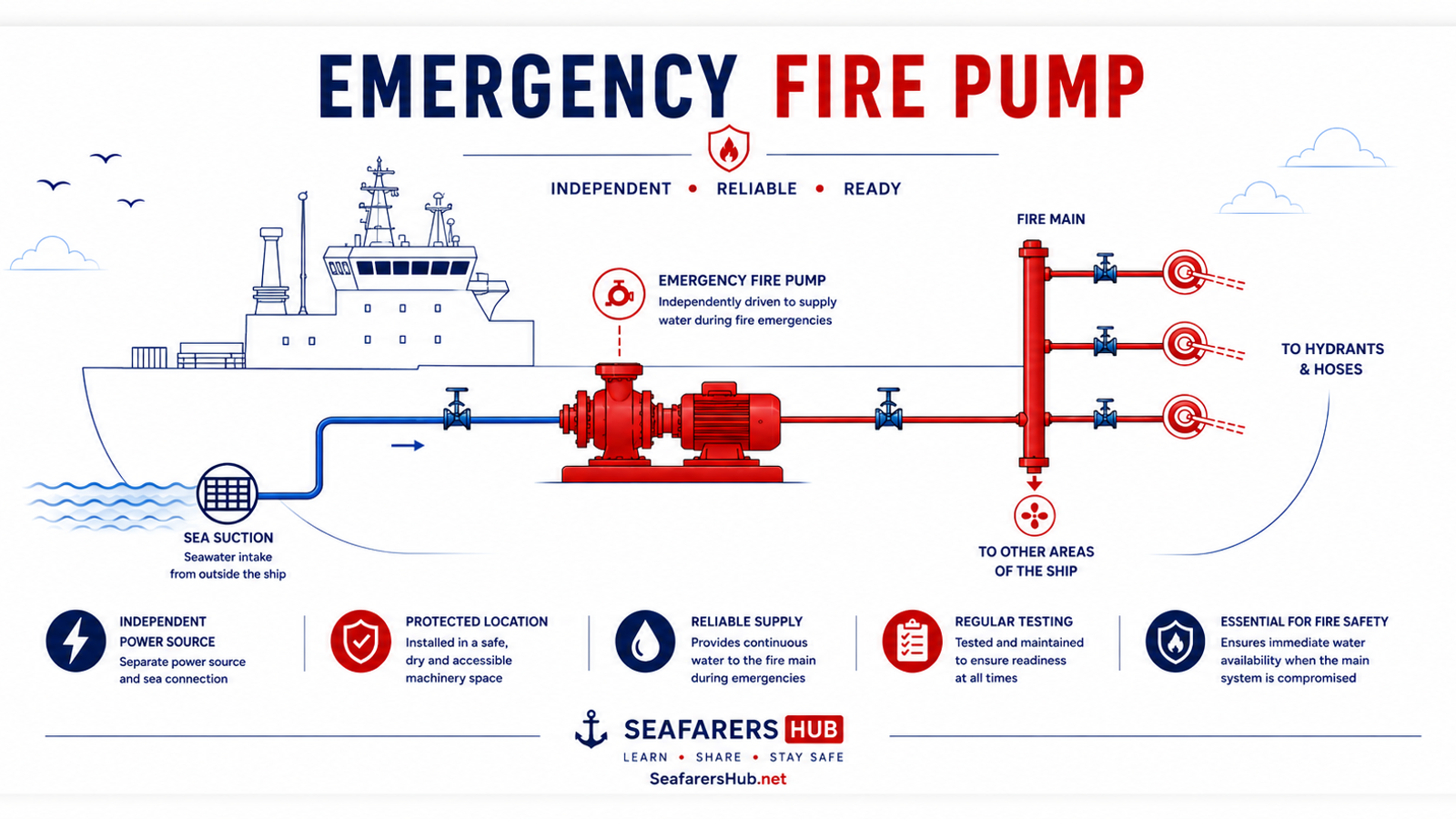
Learn how emergency fire pumps on ships maintain firefighting water supply when main fire pumps fail, including key SOLAS and FSS Code requirements.
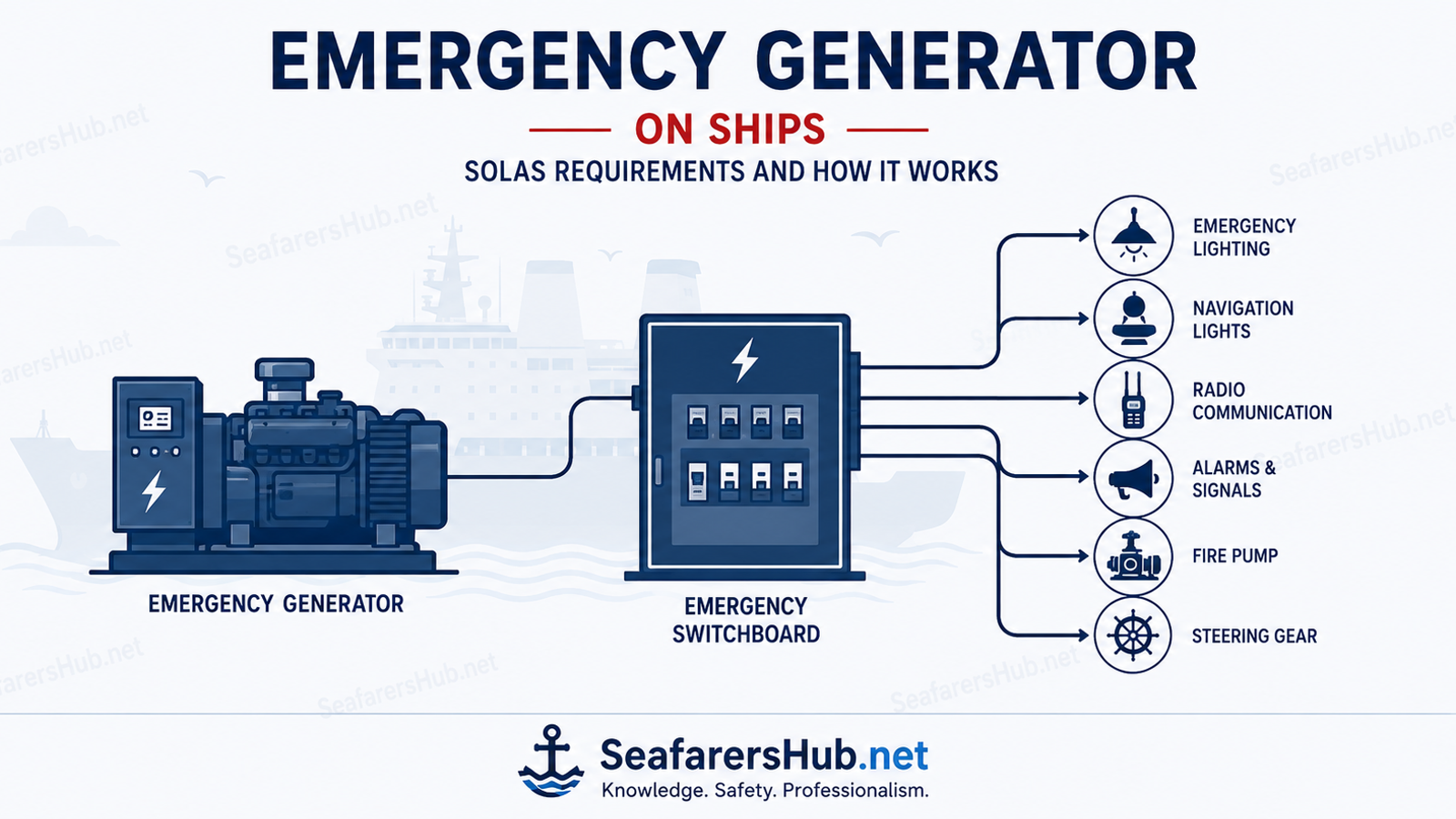
Learn how a ship’s emergency generator provides essential electrical power during a blackout, including its operation, starting arrangements, and key SOLAS requirements.
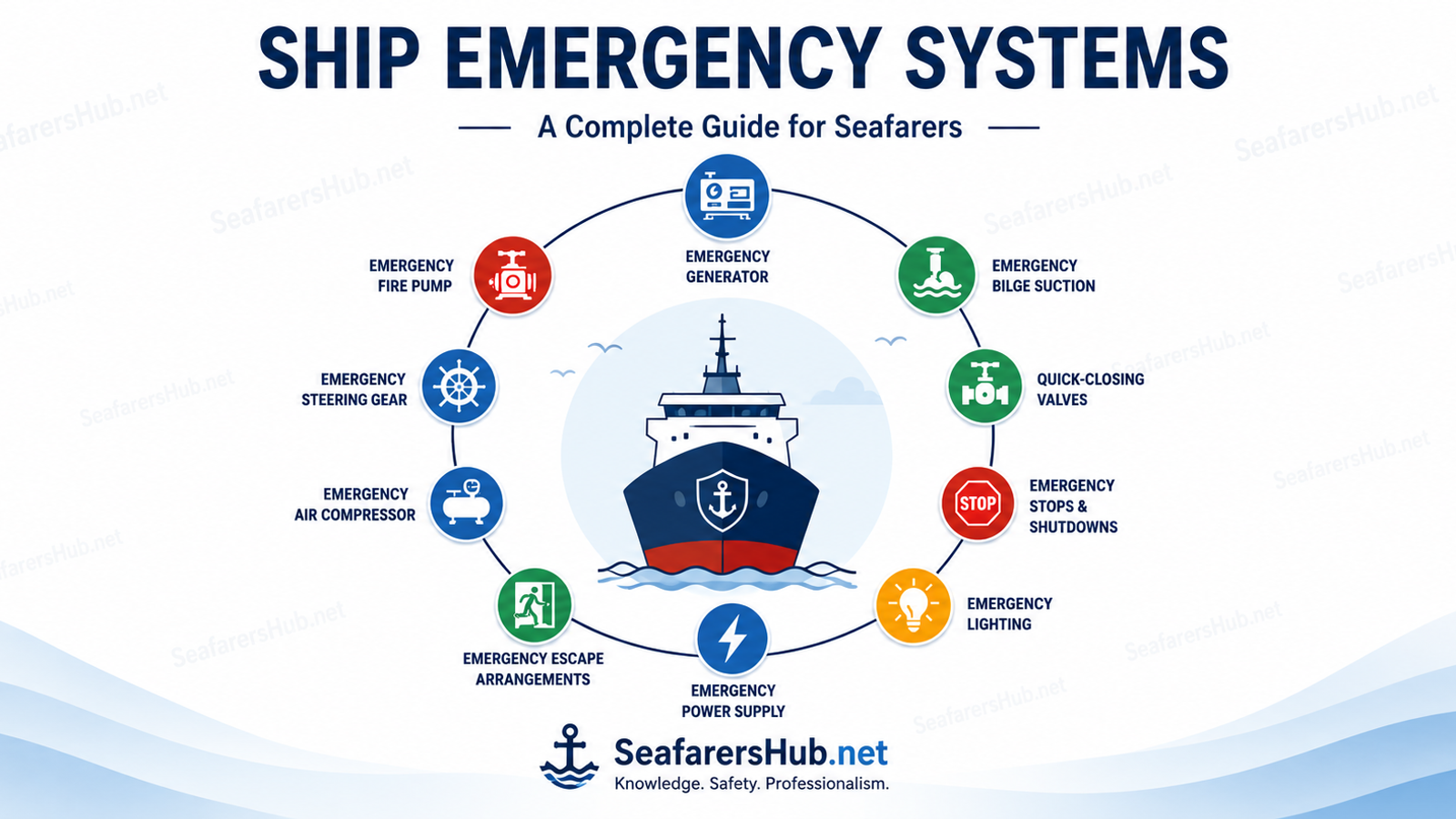
A practical guide to key ship emergency systems, explaining their purpose, operation, and principal SOLAS requirements for safer emergency response at sea.
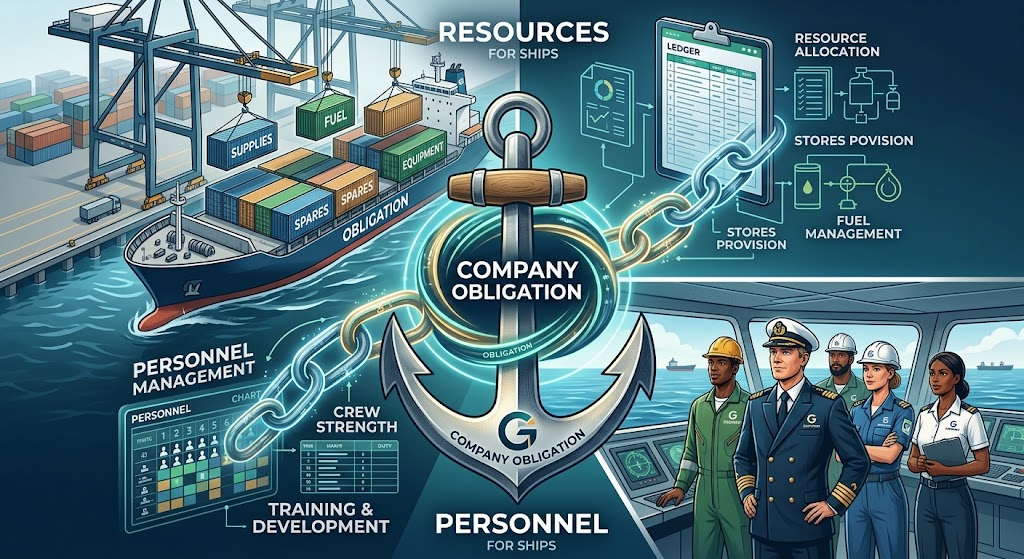
Clause 3.3 of the ISM Code requires shipping companies to provide adequate resources and shore-based support so that the Designated Person Ashore can perform safety and pollution-prevention duties effectively. This support includes qualified personnel, technical expertise, emergency assistance, communication systems, training, financial resources, and direct access to senior management
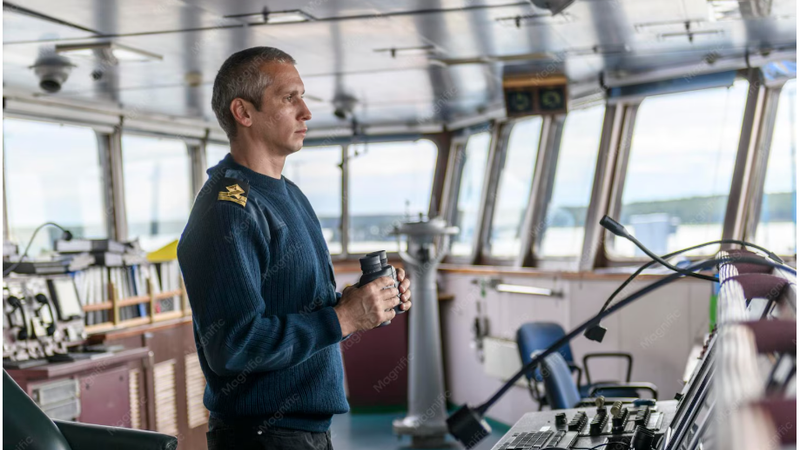
The Master’s Overriding Authority is a fundamental safety principle under paragraph 5.2 of the ISM Code. It ensures that the master has both the right and the responsibility to make final decisions when the safety of people, the ship, cargo, or the marine environment may be at risk.
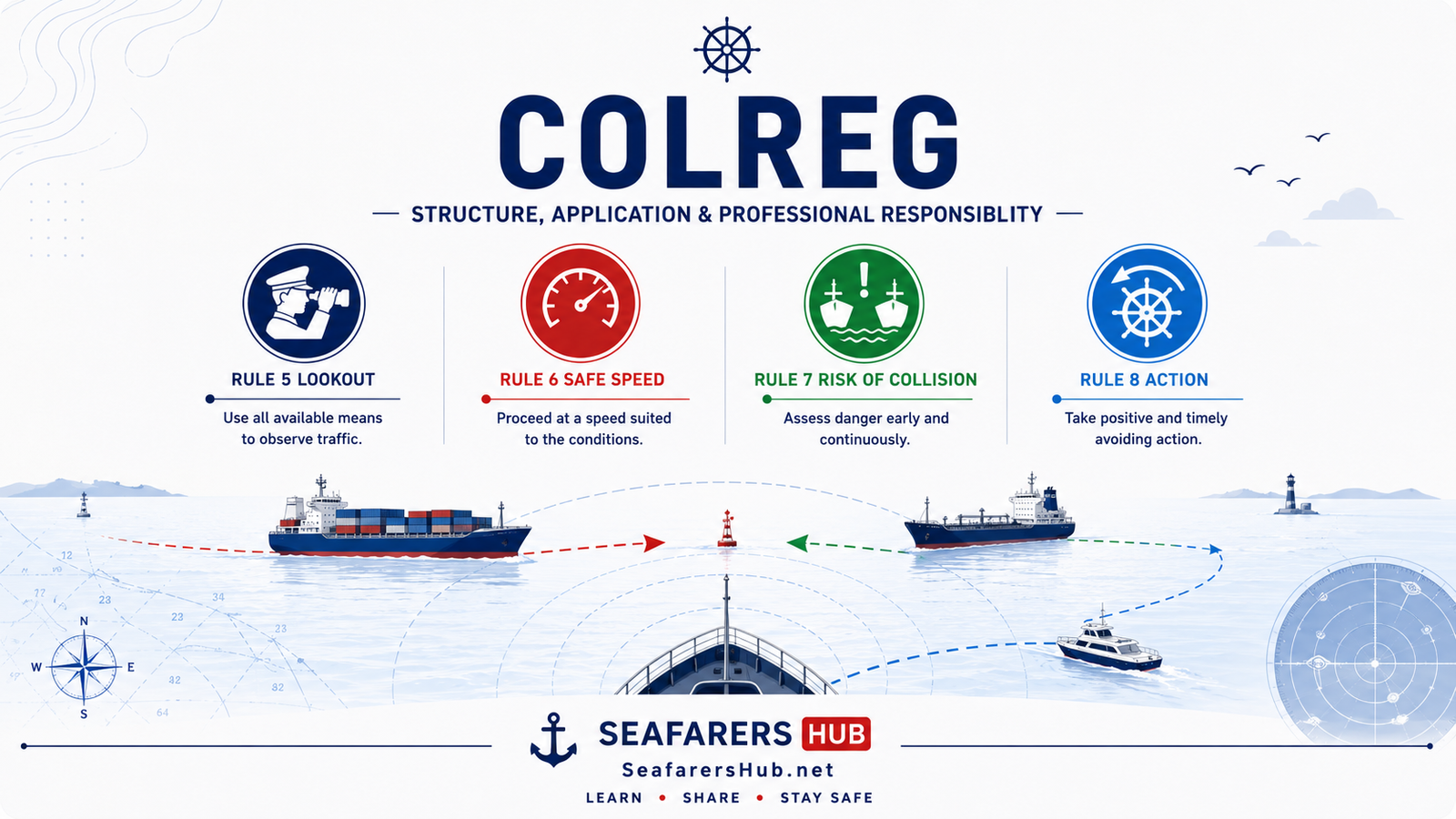
COLREG provides the international framework for preventing collisions at sea, defining lookout, safe speed, collision-risk assessment, vessel responsibilities, manoeuvring actions, lights, shapes and sound signals.
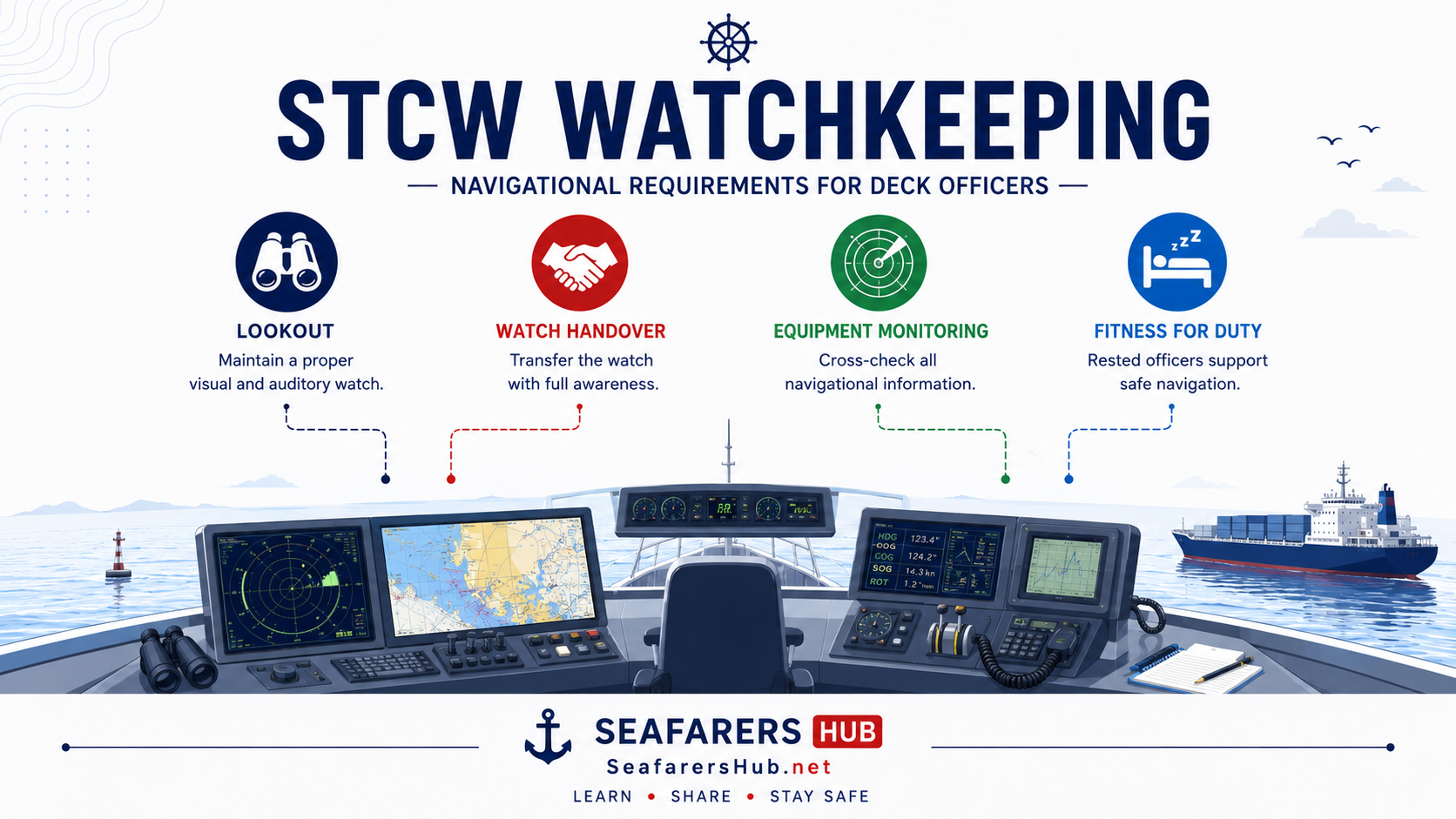
STCW establishes the international standards for navigational watchkeeping, defining the OOW’s responsibilities, lookout requirements, watch handover, fitness for duty and safe bridge-watch arrangements.
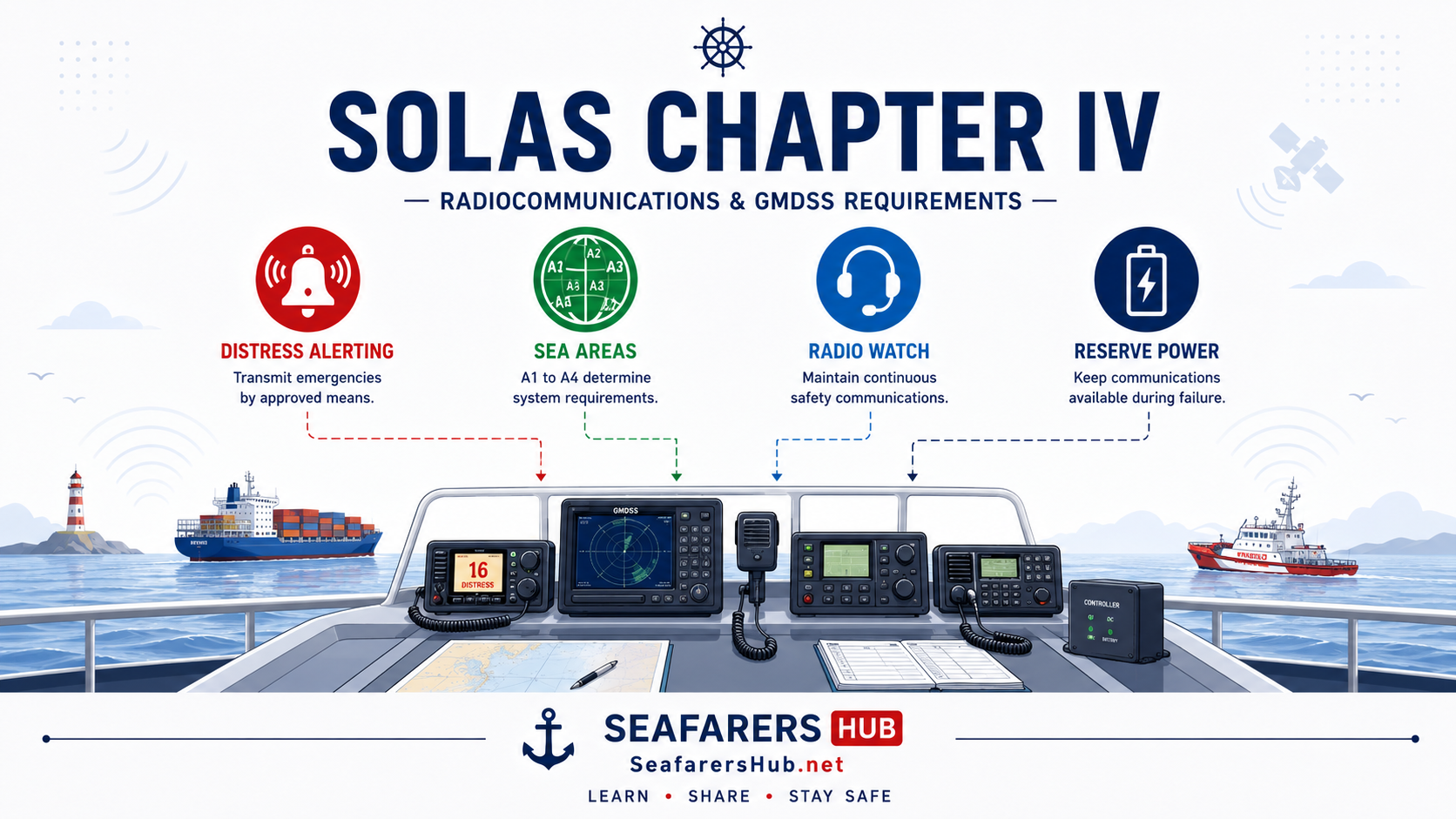
SOLAS Chapter IV establishes the international GMDSS framework for distress alerting, safety communications, radio watchkeeping, equipment carriage and emergency communications at sea.
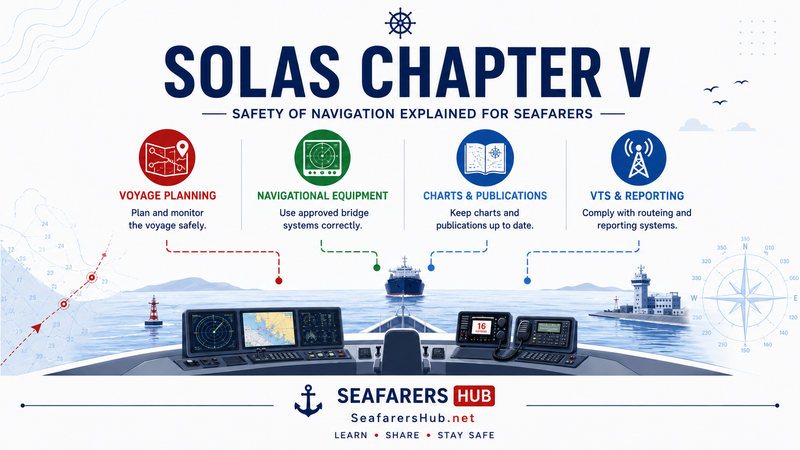
SOLAS Chapter V forms the core international framework for safe navigation, covering voyage planning, bridge equipment, navigational services, reporting and the Master’s responsibilities.
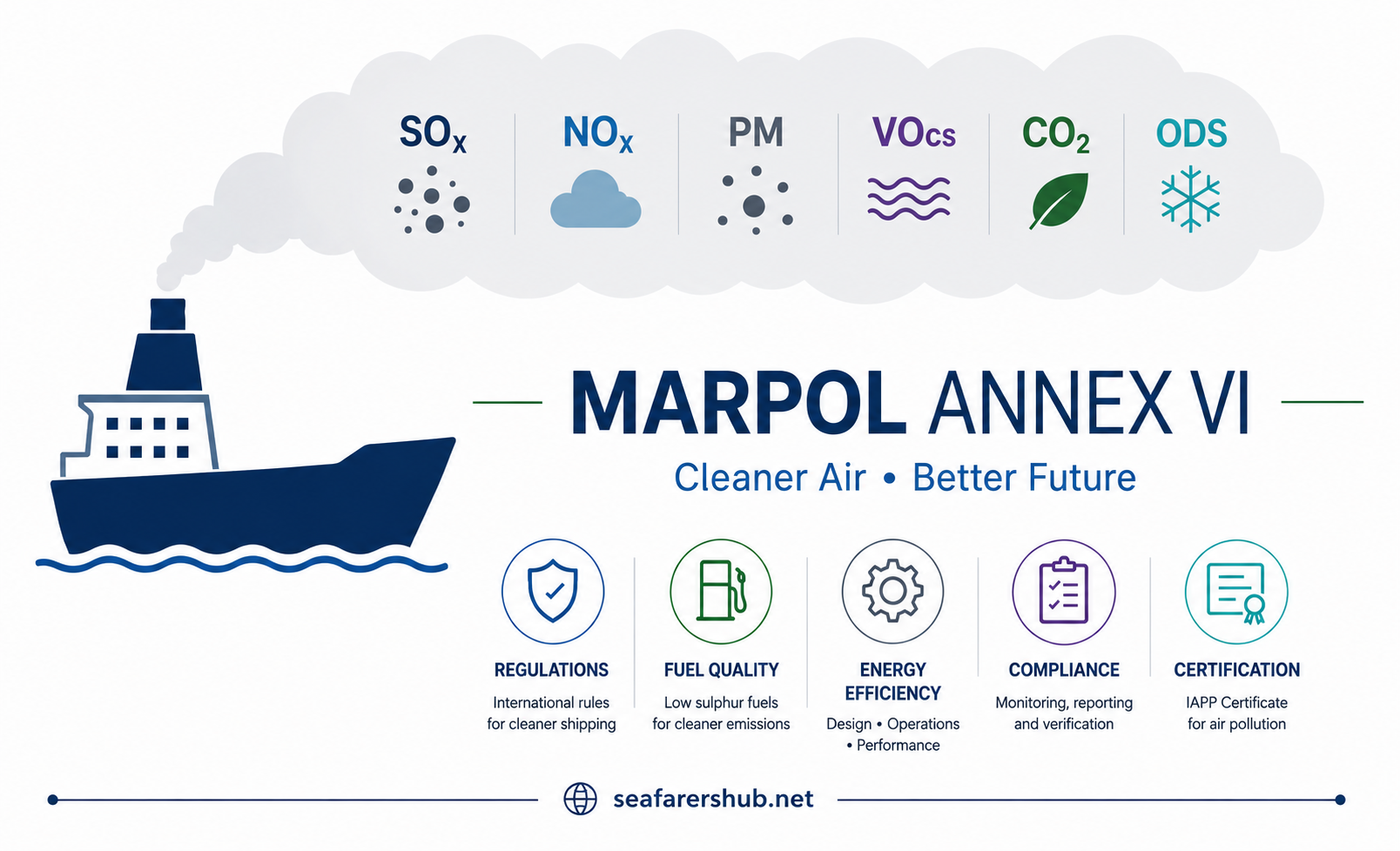
A practical guide to MARPOL Annex VI covering ship air pollution, NOx and SOx limits, Emission Control Areas, fuel requirements, energy efficiency, and carbon intensity.
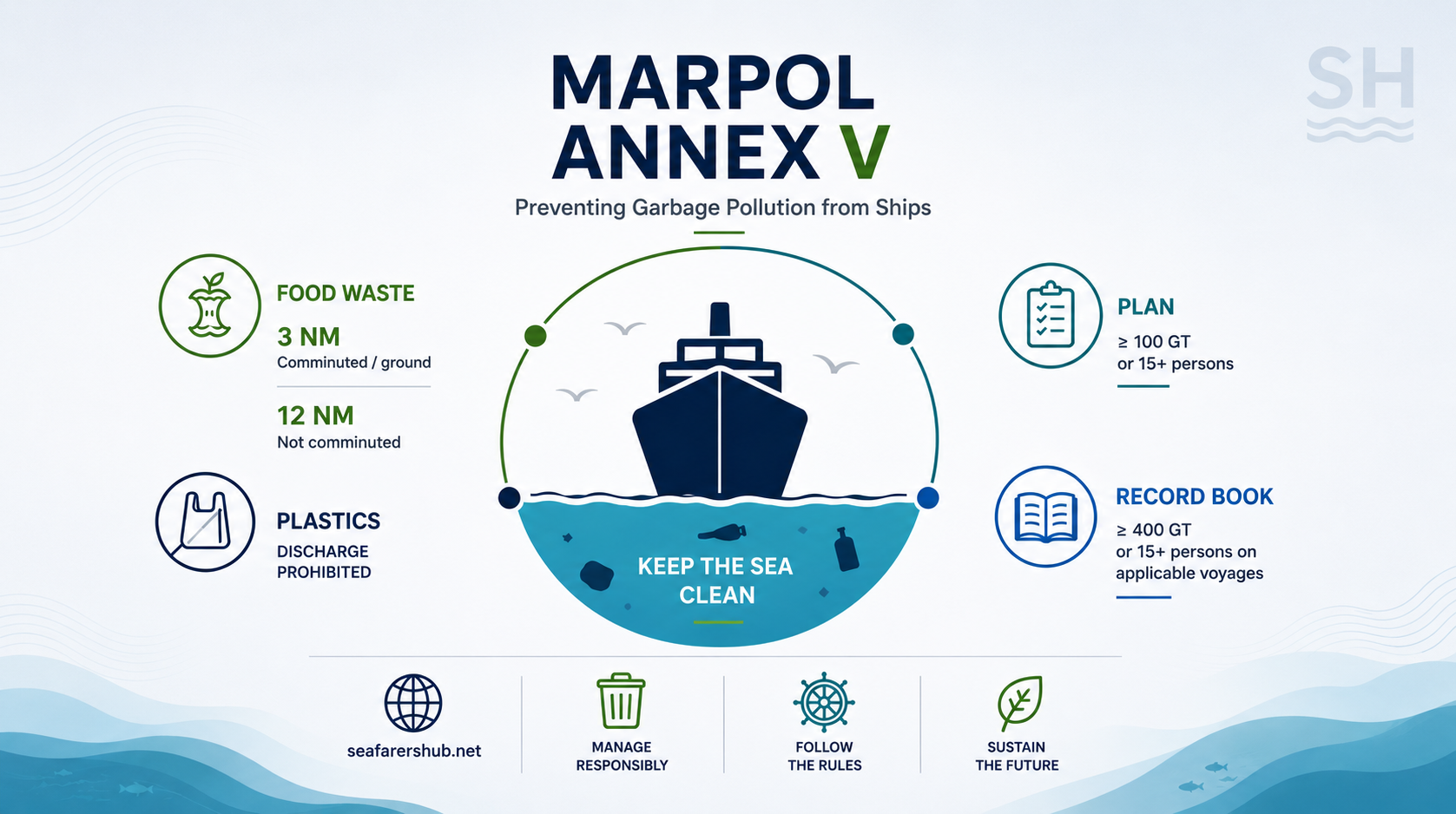
Learn the key requirements of MARPOL Annex V, including garbage discharge rules, food waste limits, plastic prohibition, Garbage Management Plans, Record Books, and special areas.