38 articles
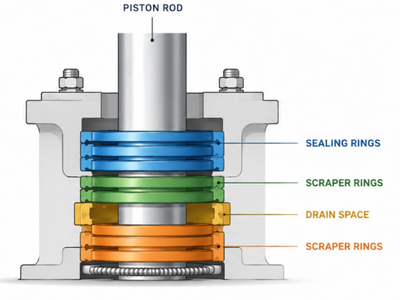
In a crosshead type two-stroke marine diesel engine, the stuffing box provides a seal between an engine’s scavenge space and crankcase. Stuffing boxes are required to reduce the likelihood of a scavenge space fire, crankcase explosion, and/or oil contamination. Trunk type engines do not have a stuffing box
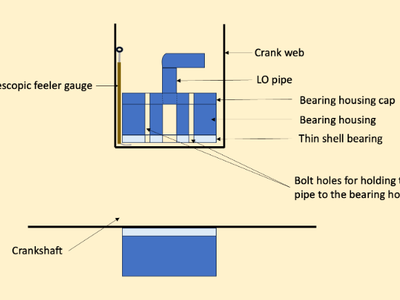
This article provides a step-by-step method to aid marine engineers onboard to carry out inspection of main bearings of a two stroke diesel engine safely and time efficiently.
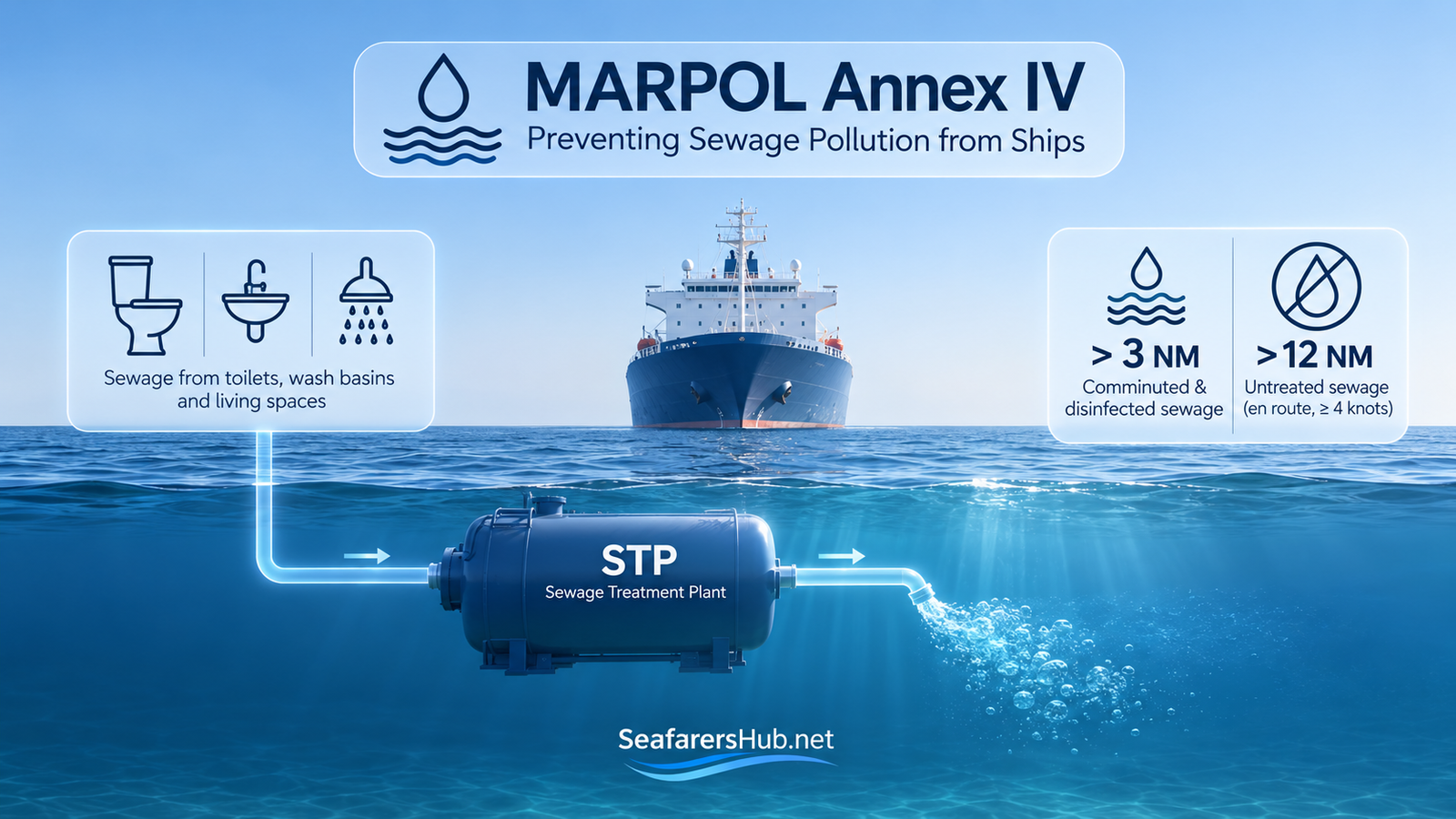
A practical guide to MARPOL Annex IV covering sewage treatment, discharge requirements, ISPP certification, reception facilities, special areas, and Port State control.
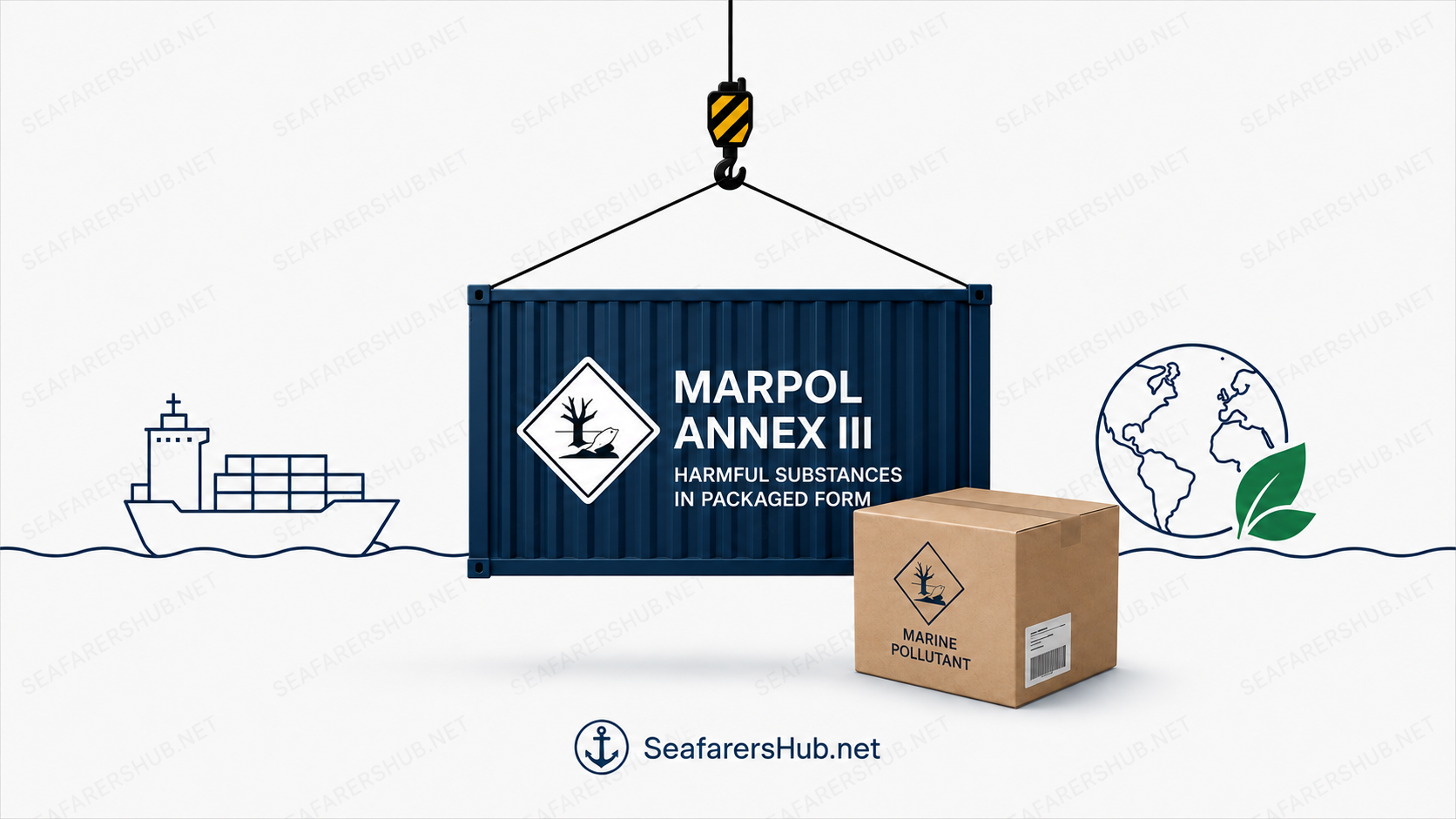
Learn how MARPOL Annex III regulates harmful substances carried by sea in packaged form, including packing, marking, documentation, stowage, and pollution prevention.
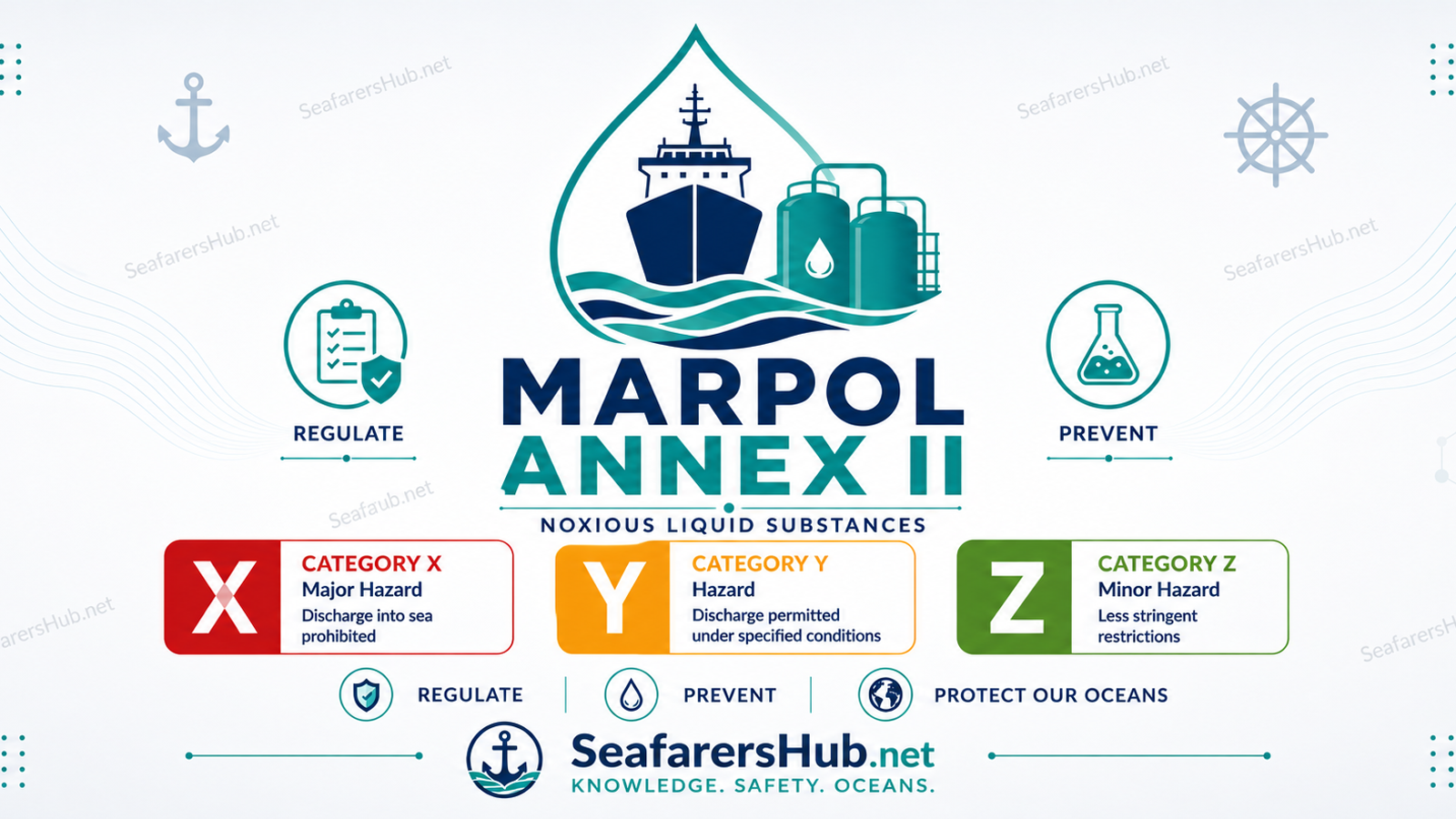
Explore MARPOL Annex II and its key requirements for controlling pollution from noxious liquid substances carried in bulk, including Categories X, Y and Z, certification, prewash, discharge controls, and record keeping.
This article is intended to highlight and stress on the importance of the role of DPA to provide real support, resources and convenience to operate the ship safely, rather than the DPA act as "Policing" the relationship. This concept will be in lign with the ISM-Code principle of "No-blame" culture to ship's crew.

This article sheds a bright light on the fact that without full support of fleet top management, the ISM-Code and shipboard staff will stand stranded onboard, and just have the extra load of "baby-sitting" the code
Discover the key MARPOL Annex I requirements every seafarer should know, including the 15-ppm standard, Oily Water Separator, Oil Record Book, sludge management, SOPEP, Special Areas, and Port State Control compliance.
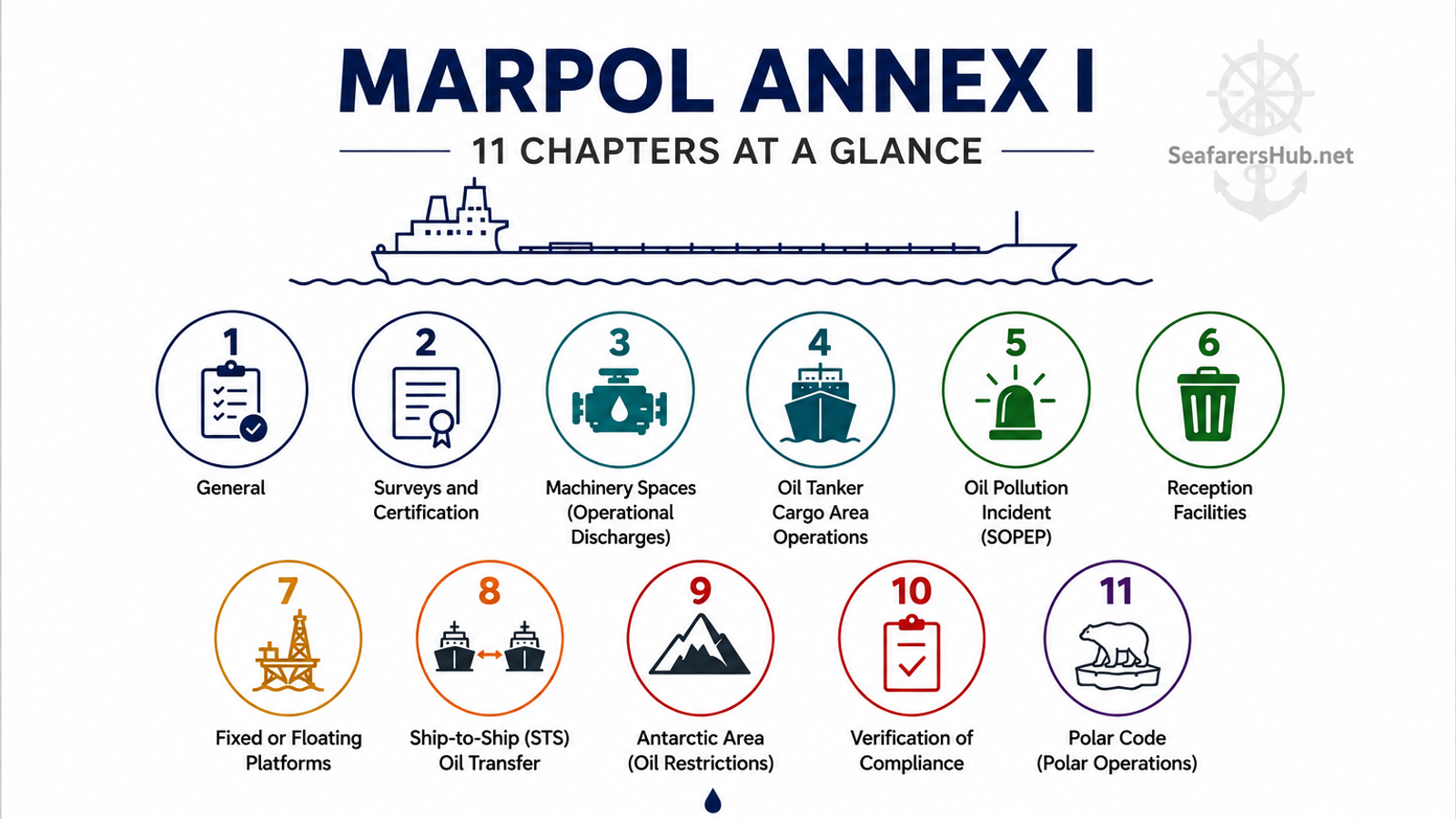
Explore MARPOL Annex I and its 11 chapters, covering oil pollution prevention, surveys and certification, machinery-space operations, oil tanker requirements, emergency response, reception facilities, and environmental protection in polar and sensitive areas.
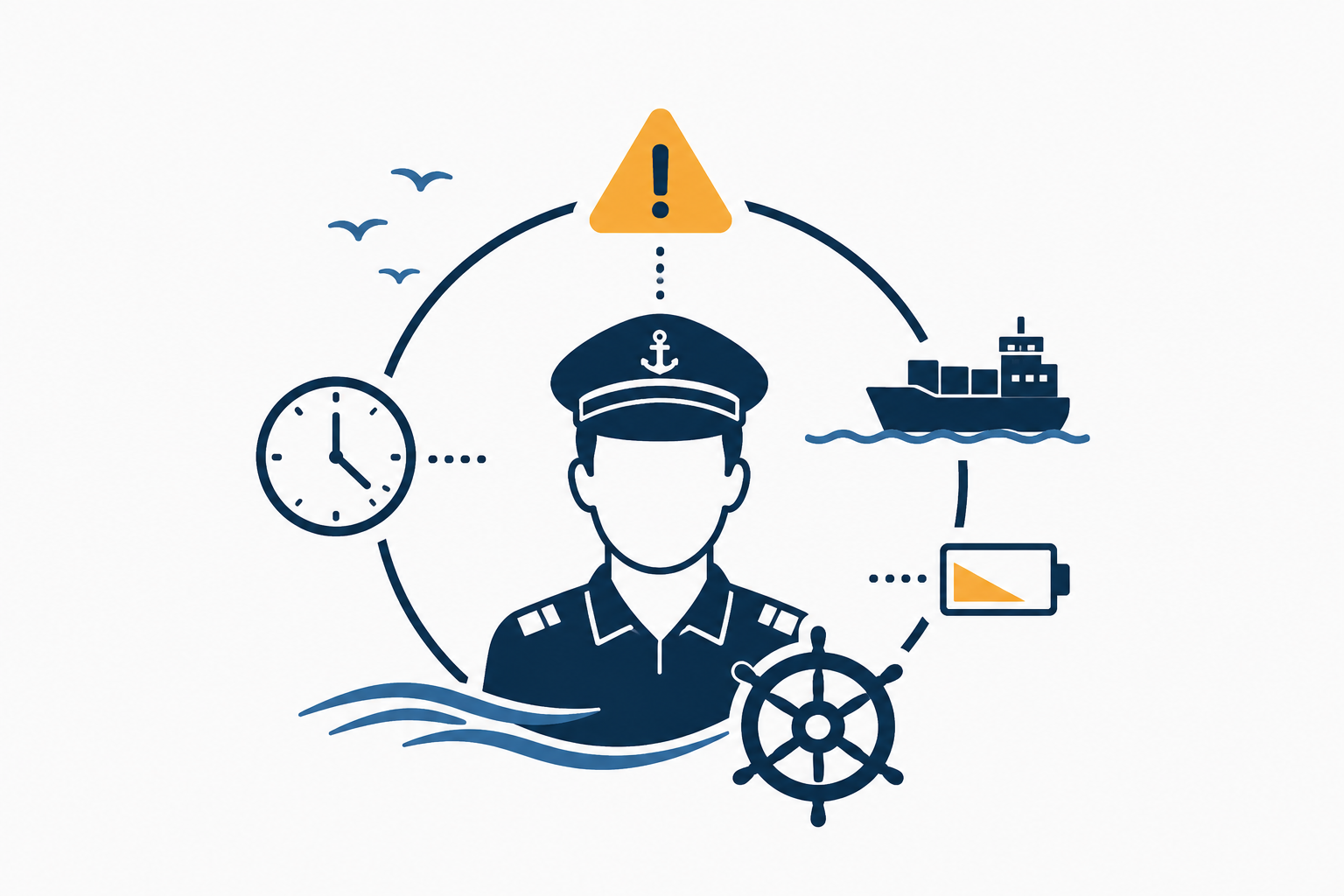
Seafarer fatigue is a hidden but significant threat to maritime safety, contributing to human error, reduced performance, and accidents at sea. This guide explores the causes of fatigue, its impact on seafarers' health and ship operations, and practical strategies to prevent fatigue through effective watchkeeping, adequate rest, and a strong safety culture.
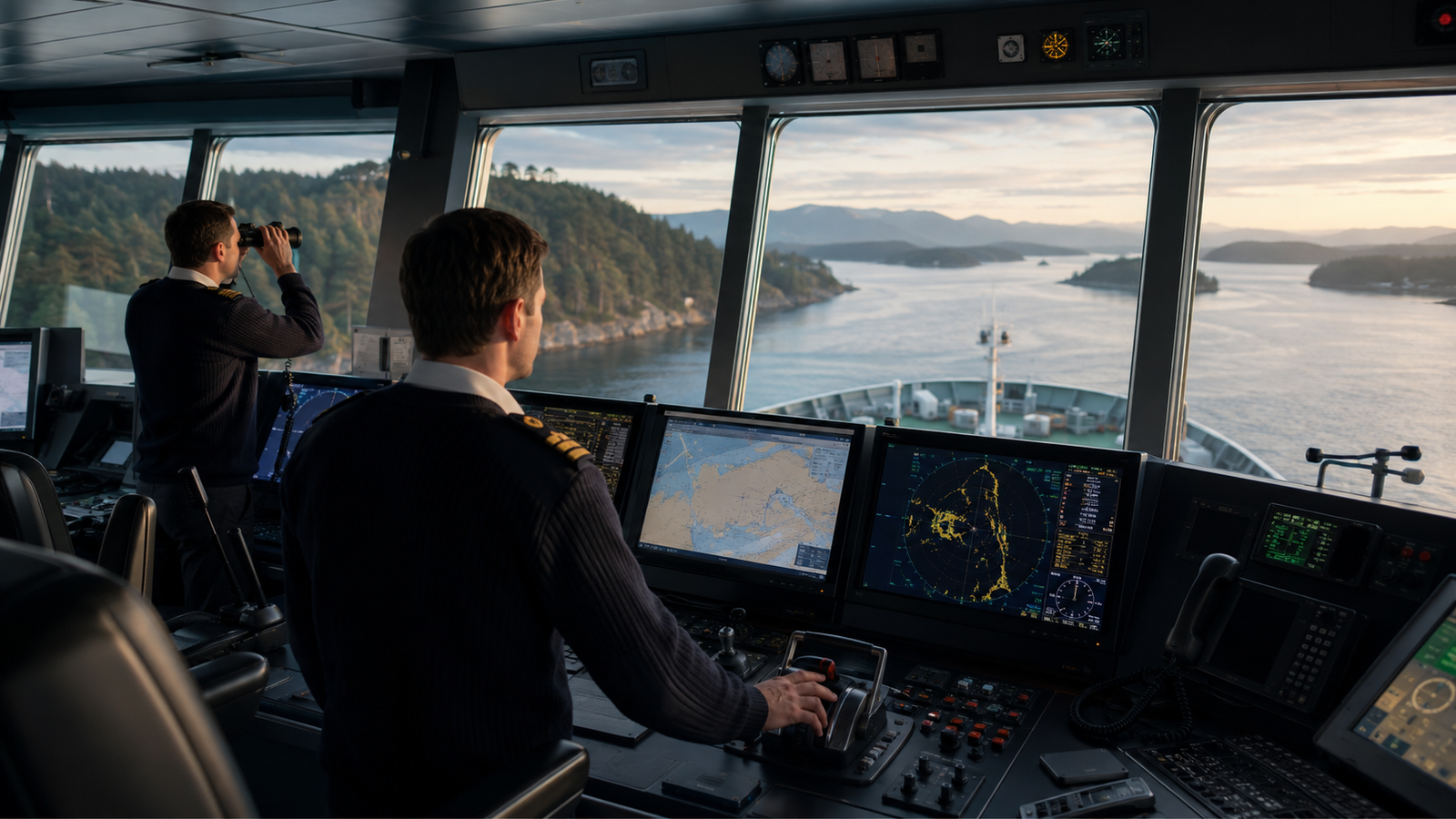
A professional overview of how SOLAS, COLREG, STCW, bridge systems, voyage planning and GMDSS work together to support safe maritime navigation.

An overview to decide whether the ISM-Code itself was not efficient to make a substantial rise in maritime safety or if the maritime society failed to embrace the code and sustain its demands